
Why IT Business Analytics Is Reshaping How Companies Make Decisions
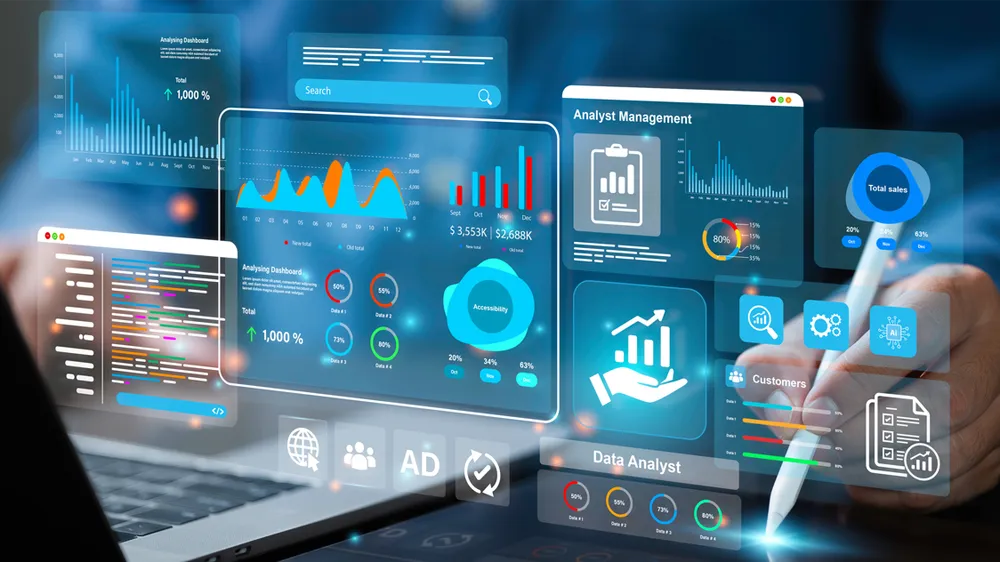
Why IT Business Analytics Is Reshaping How Companies Make Decisions
Data is no longer just a byproduct of doing business — it's the business. IT Business Analytics is the discipline that turns raw operational data into strategic advantage.
For most of the last decade, analytics lived in silos: the finance team had its dashboards, the IT department had its monitoring tools, and leadership made decisions based on gut instinct and quarterly reports. That era is ending. IT Business Analytics breaks down those walls, connecting technical infrastructure data with business outcomes in real time.
What IT Business Analytics actually means
At its core, IT Business Analytics is the practice of applying data analysis techniques to IT operations — and then translating those findings into business language. It spans everything from performance monitoring and cost optimization to cybersecurity risk modeling and digital transformation planning.
The key word is business. A server going down is an IT problem. Lost revenue, missed SLAs, and eroded customer trust are business problems. IT Business Analytics is the bridge that connects the two, giving decision-makers a clear view of how technical choices drive commercial outcomes.
Three pillars driving adoption
Descriptive analytics answers the question "what happened?" — tracking system uptime, ticket volumes, user adoption rates, and infrastructure costs. This is the foundation most organizations already have in some form.
Predictive analytics goes further, modeling future outcomes using historical patterns. Which servers are likely to fail next month? When will the network hit capacity? Which software projects are at risk of overrunning their budgets? These are no longer guesses — they're forecasts with confidence intervals.
Prescriptive analytics is the frontier: systems that don't just predict what will happen, but recommend what to do about it. With AI and machine learning now embedded in analytics platforms, IT teams are moving from reactive firefighting to proactive optimization.
The human side of the equation
Technology alone doesn't transform how an organization makes decisions — people do. The rise of IT Business Analytics has created demand for a new kind of professional: one who speaks both the language of systems architecture and quarterly earnings. Data literacy is no longer optional at any level of the business.
Companies that invest in analytics culture — not just analytics tools — consistently outperform those that treat it as a purely technical exercise. Dashboards don't change behavior; conversations sparked by dashboards do.
Looking ahead
As AI becomes embedded in analytics workflows, the speed at which insight turns into action will continue to compress. Real-time decision support, automated anomaly detection, and natural-language querying are moving from cutting-edge to standard expectation. Organizations that build strong analytics foundations today are positioning themselves to move faster — and smarter — than those that wait.
IT Business Analytics is not a trend. It's the new operating system for modern enterprises.